The Short Version
- OpenAI finished GPT-5.6 in June 2026, but did not launch it the normal way
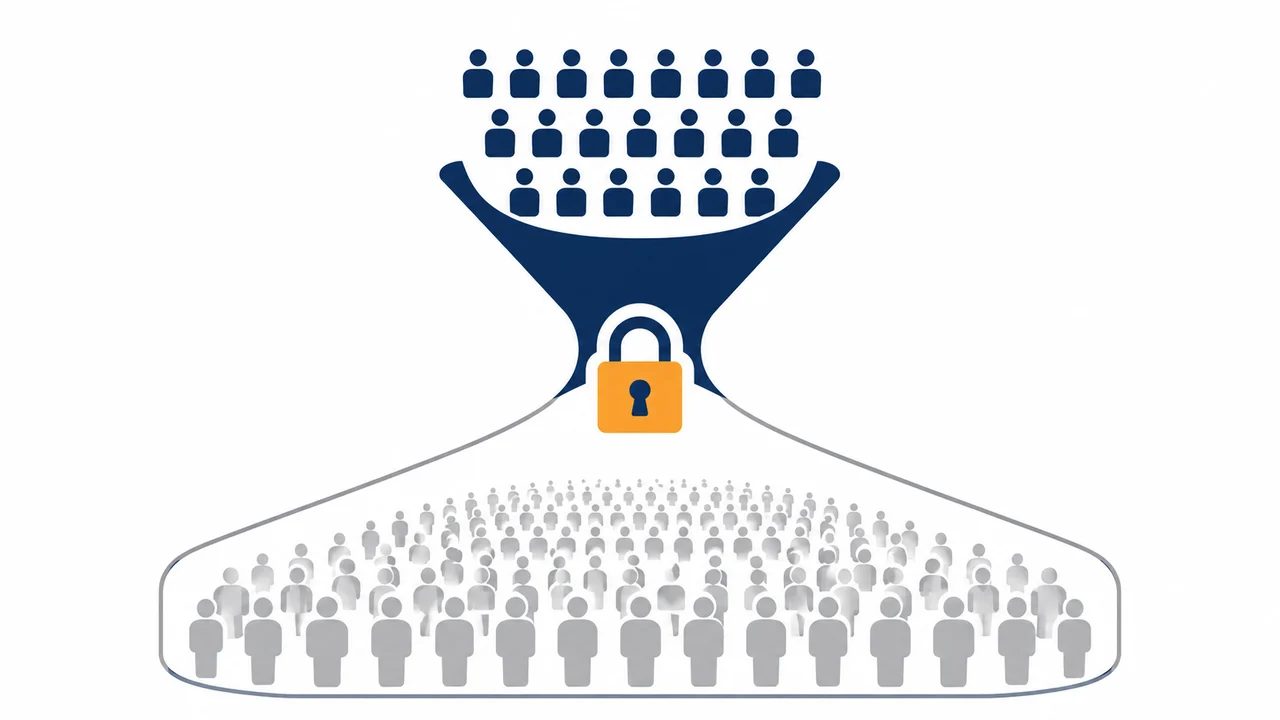
- At the request of the White House, the public rollout was delayed and access was limited to a small group of government-vetted partners
- The reason was cybersecurity risk, not a technical problem with the model
- It followed a similar restriction placed on Anthropic's Claude Mythos 5 and Fable 5 weeks earlier
- The gate lifted after 12 days, and GPT-5.6 became broadly available on July 9, 2026
What Is GPT-5.6, Quickly
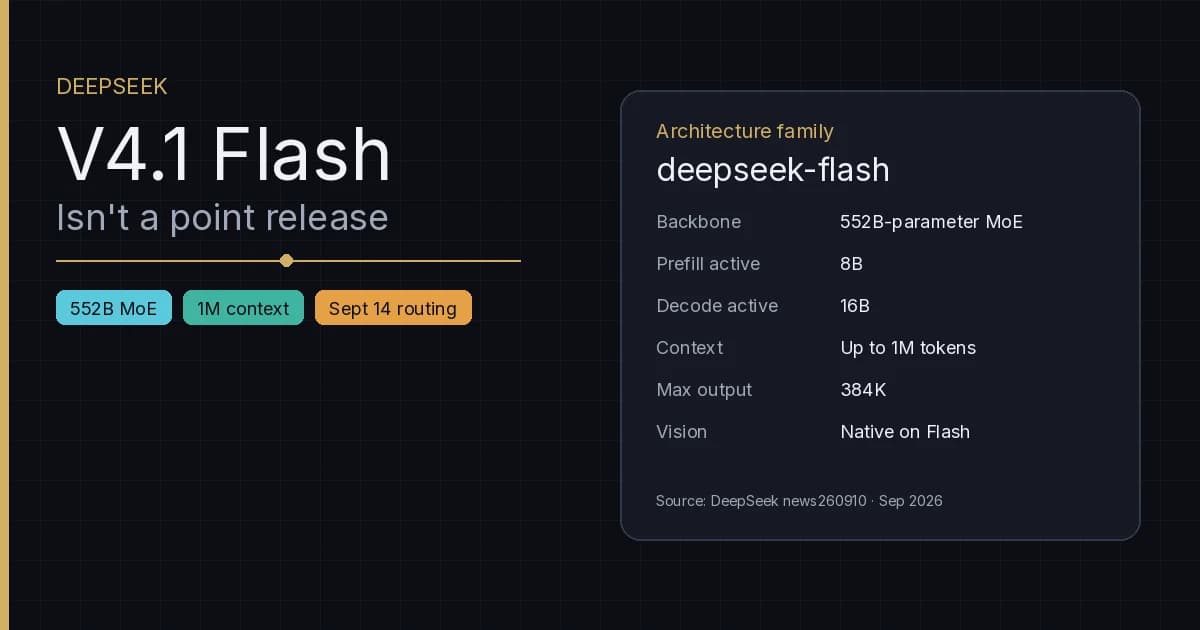
Before the delay itself makes sense, it helps to know what was actually being held back. GPT-5.6 is OpenAI's newest model family, and unlike past releases, it shipped as three distinct tiers rather than one model:
| Tier | Role | Positioning |
|---|---|---|
| Sol | Flagship | OpenAI's most capable model to date, built for complex coding, cybersecurity, and agentic work |
| Terra | Mid-range | Performance close to Sol at roughly half the cost, meant for everyday production use |
| Luna | Fast and cheap | Built for summarization, drafting, and high-volume routine tasks |
Sol is the one that mattered most to this story. It's the tier OpenAI calls its strongest cybersecurity model yet, and that specific capability is what drew government attention in the first place.
Timeline: How the Delay Unfolded
| Date | What Happened |
|---|---|
| Early June 2026 | The Trump administration issues an executive order creating a federal review framework for national security risks in frontier AI, giving officials up to 30 days to evaluate a model before public release |
| June 12, 2026 | Anthropic suspends access to Claude Mythos 5 and Fable 5 over separate export control requirements, the first sign of this new pattern |
| June 25, 2026 | Sam Altman discloses that OpenAI is postponing GPT-5.6's public release at the government's request |
| June 26, 2026 | GPT-5.6 Sol, Terra, and Luna are previewed alongside a system card, but access is limited to a small group of government-vetted partners |
| July 1, 2026 | Anthropic restores full access to Fable 5 and Mythos 5 |
| July 9, 2026 | GPT-5.6 begins rolling out broadly in ChatGPT, Codex, and the API |
Why the Government Stepped In
OpenAI describes Sol as its strongest cybersecurity model yet, built to support defensive work like threat modeling, code review, patching, and blue teaming. That capability jump, alongside Sol's coding strength, appears to be what triggered the review.
A few specifics worth knowing:
- On Agents' Last Exam, a test of long-running professional workflows across 55 fields, Sol scored 53.6, beating Claude Fable 5 by 13.1 points. Even at a medium reasoning setting, it still beat Fable 5 by 11.4 points, at roughly a quarter of the estimated cost
- OpenAI also tested Sol, Terra, and Luna on ExploitGym, a cyber capability benchmark built by UC Berkeley researchers in collaboration with OpenAI and other frontier labs, and reported strong gains in cyber capability as reasoning effort increases.
- The same jump in capability that makes Sol useful for cyber defenders also makes it more useful to bad actors, which is the core tension behind the entire review process
- Some outlets reported the restricted preview covered roughly 20 government-vetted partner organizations, though that specific count has not been confirmed directly by OpenAI and should be treated as secondary reporting rather than an official figure
This Wasn't the First Time
Weeks earlier, Anthropic's Claude Mythos 5 and Fable 5 went through a comparable moment. Anthropic suspended access to both models on June 12, 2026, to comply with export controls from the Department of Commerce, restoring full access on July 1 once those controls were lifted.
Two frontier labs, two separate government-driven restrictions, in the same few weeks:
- Both involved a company's most capable model to date
- Both were framed by the companies as temporary and cooperative, not adversarial
- Both restored full access within roughly two to three weeks
- Reporting at the time described GPT-5.6's gating as following the template Anthropic's situation had already set
That pattern, more than either individual event, is the real story here.
What OpenAI Said
OpenAI's public framing was cooperative rather than defensive. The company said it briefed government officials on GPT-5.6's capabilities ahead of launch, and shared the preview partners' identities with the government directly.
OpenAI was direct about not wanting this to become routine, stating that this kind of government access process should not become the long-term default, since it keeps capable tools out of the hands of the everyday users, developers, and cyber defenders who need them.
Read plainly, that's a company trying to comply in the moment while publicly pushing back on the idea that this becomes a permanent feature of how frontier models launch in the US.
Why This Matters Going Forward
This is the first time a US frontier model launched under explicit federal access controls, not as an isolated incident, but as the second one in a matter of weeks.
A few things worth watching from here:
- A formal framework for evaluating frontier models with advanced cyber capabilities is reportedly still being developed, though OpenAI has not published a confirmed timeline for when that process will be finalized
- If a third lab goes through the same pattern, this stops looking like an exception and starts looking like the new normal for any model that clears a certain cybersecurity capability threshold
- Enterprise and procurement teams evaluating frontier models now have a real reason to build government review timing into their own rollout planning, not just pricing and features
Whatever the government builds now sets precedent for how the next generation of frontier models rolls out, at OpenAI, at Anthropic, and likely at every other major lab that reaches a comparable capability level.
Sources & Official References
- OpenAI, GPT-5.6 announcement: openai.com/index/gpt-5-6
- Wikipedia, GPT-5.6 (citing TechCrunch's original reporting on the restriction): en.wikipedia.org/wiki/GPT-5.6
- CNBC, on the July 9 public release: cnbc.com
- The Hill, on the staggered release: thehill.com
This story is current as of July 2026 and based on OpenAI's own statements and public reporting. A few figures, including the estimated partner count, come from secondary reporting and are flagged as such above. As this policy area is still developing, details may change, check the official sources linked above for the latest updates.