Introduction
Every role has its own version of the same problem. Too much repetitive work stands between you and the parts of the job that actually need a human. AI hasn't erased that problem in 2026, but it has genuinely shrunk it, as long as you're using the right tool for your specific role instead of one generic chatbot for everything.
I spent time digging into what professionals across eight different roles are actually using day to day this year. Not the hype cycle tools, but the ones that stuck. Here's the real breakdown, role by role, with what each tool does well, what it costs, and where it still falls short.
Quick Answer (For People in a Hurry)
- Marketers - ChatGPT or Claude for strategy and copy - Canva or Adobe Firefly for visuals - HubSpot or Zapier for automation
- Developers - GitHub Copilot for daily coding - Claude Code or Cursor for complex, multi file work
- Designers - Figma AI for UI/UX - Canva for fast, non designer visuals - Midjourney for raw image quality
- Sales & Business Development - AI powered CRMs such as HubSpot AI or Salesforce Einstein - A chatbot for outreach drafting
- HR & Recruiting - Purpose built AI sourcing and ATS platforms rather than general chatbots
- Project Managers - ClickUp, Asana, or Motion for AI assisted scheduling and tracking
- Content Creators - Claude or ChatGPT for writing - Descript or CapCut for editing - Grammarly for polish
- Students & Educators - ChatGPT Study Mode - NotebookLM for research - Grammarly for writing support
The bigger pattern: almost nobody uses just one AI tool anymore. The professionals getting the most value are combining a general purpose assistant (ChatGPT or Claude) with one or two role specific tools built for their exact workflow.
The Complete AI Stack for Every Job Role
1. Marketing Professionals
Overview Marketing has arguably absorbed AI faster than any other function. By 2026 the tooling has split into six clear jobs: strategy, content, visuals, video, social scheduling, and paid media optimization.
Top Tools to Know
- ChatGPT and Claude: used for campaign briefs, multi channel copy, research, and brainstorming
- Canva and Adobe Firefly: fast visual production for teams without a dedicated design background
- HubSpot AI, Zapier, and Make: connect the content layer to the distribution layer, automatically building email campaigns or routing leads from a single prompt
Signs You're Ready to Upgrade Your Stack
- You're manually copying content between three or more tools every week just to move a single campaign forward
- Your team keeps asking "which tool did we use for this last time" instead of following one shared workflow
- Content output has scaled up, but your review process hasn't kept pace with it
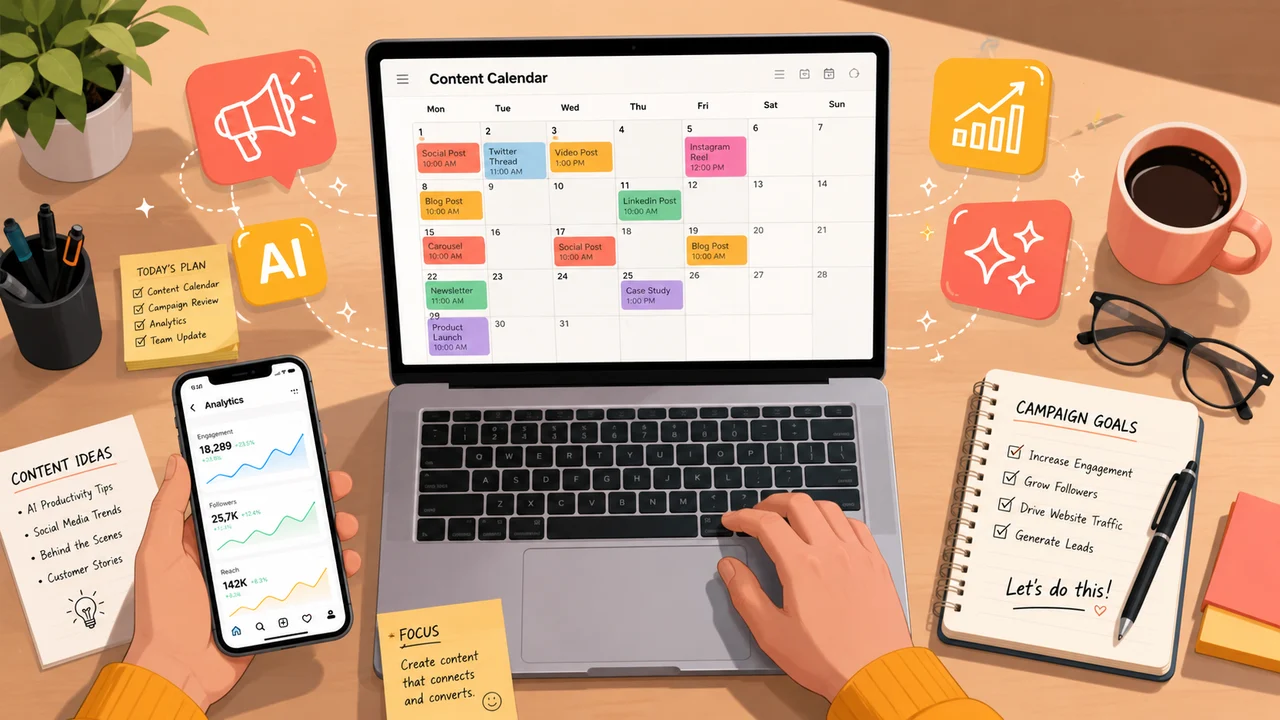
What Changed in 2026 Marketers are now also tracking whether AI assistants like ChatGPT, Gemini, and Perplexity recommend their brand when someone asks a related question. Some call this discipline AI visibility or answer engine optimization, and it now sits alongside traditional SEO.
Real World Example A marketing coordinator described her weekly content sprint dropping from roughly six hours to under two once she moved brief writing into Claude, first draft visuals into Canva's AI layout suggestions, and email scheduling into Zapier. The AI didn't do the strategic thinking. It removed nearly every manual step sitting in between the idea and the finished campaign.
Common Mistake to Avoid Treating one AI tool as the whole marketing stack. A chatbot can write strong copy, but it can't route that copy through your CRM, schedule it across channels, or track how it performs. That still requires connecting it to the tools your team already relies on, rather than expecting one assistant to replace all of them.
Starter Stack
- ChatGPT or Claude for strategy and copy
- Canva for visuals
- Zapier for automation
All three have workable free tiers before you need to pay for anything.
2. Software Developers
Overview Developer tooling in 2026 has split into two distinct layers, and most engineers now use both rather than picking just one.
Top Tools to Know
- Editor level assistants (GitHub Copilot, JetBrains AI, Tabnine): sit inside your IDE and help generate functions, tests, and configs as you type
- Repository level agents (Cursor, Claude Code, Devin): operate a level up, handling multi file refactors, debugging loops, and scoped tasks across an entire codebase
- Review tools (CodeRabbit, Qodo): check AI assisted code before it merges
Signs You're Ready to Upgrade Your Stack
- You're spending more time explaining context to the AI than it would take to just write the code yourself
- A single bug regularly takes you across more than two or three files to trace down
- Your team is duplicating the same prompts across different people because there's no shared workflow or repo level tool in place
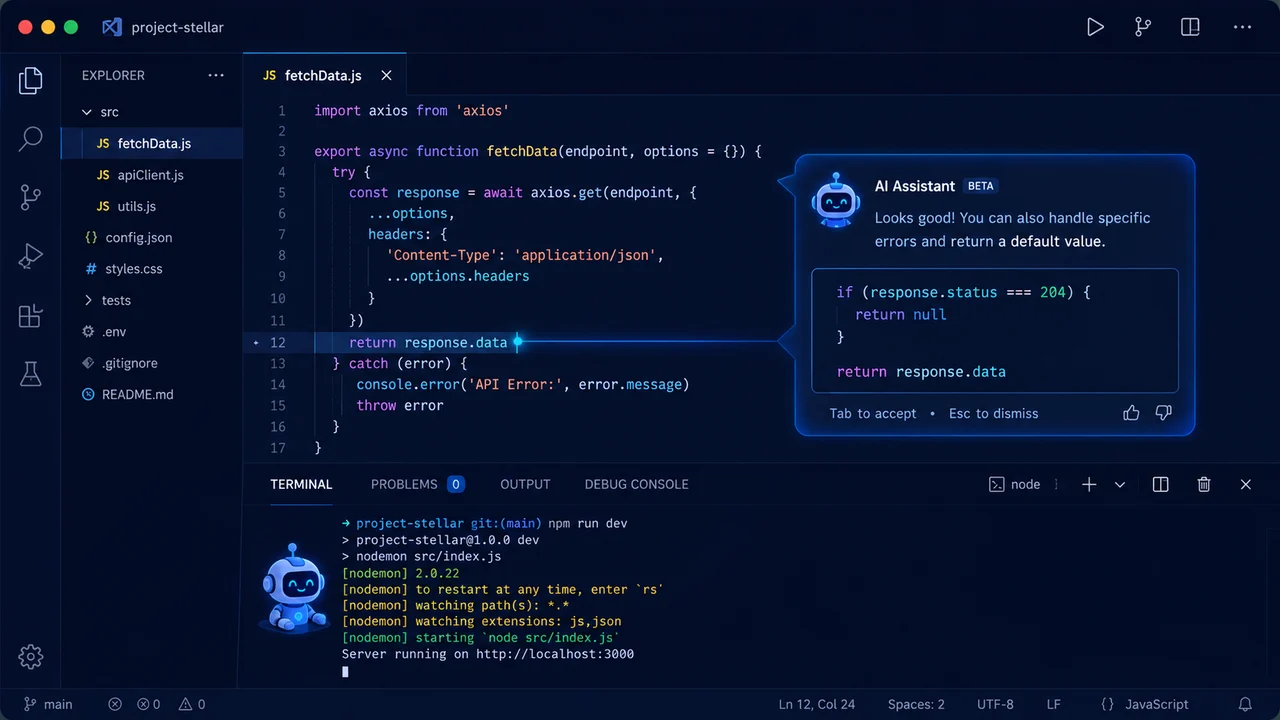
A Common 2026 Workflow Cursor or Copilot for daily line by line coding. Claude Code for the harder architectural sessions where the AI needs to understand the whole repo. A review tool like CodeRabbit or Qodo before anything merges. Developers increasingly treat these as a toolkit rather than a single subscription. There's no rule that says you pick one and stick with it.
Real World Example A backend developer described using Copilot for the bulk of routine CRUD endpoints and test scaffolding, then switching to Claude Code specifically when a bug required tracing a failure across five different files. A task that used to mean an hour of manual searching dropped to roughly ten minutes of AI guided investigation plus a final review pass.
Common Mistake to Avoid Accepting suggestions without reading them closely. The real productivity gain from AI coding tools depends on treating every suggestion as a first draft that still needs review, not a finished answer. Teams that skip this step tend to see a short term speed boost followed by a slower, messier codebase a few months later.
Starter Stack
- GitHub Copilot (free tier available) for daily coding
- Claude Code or Cursor once you're doing serious multi file work
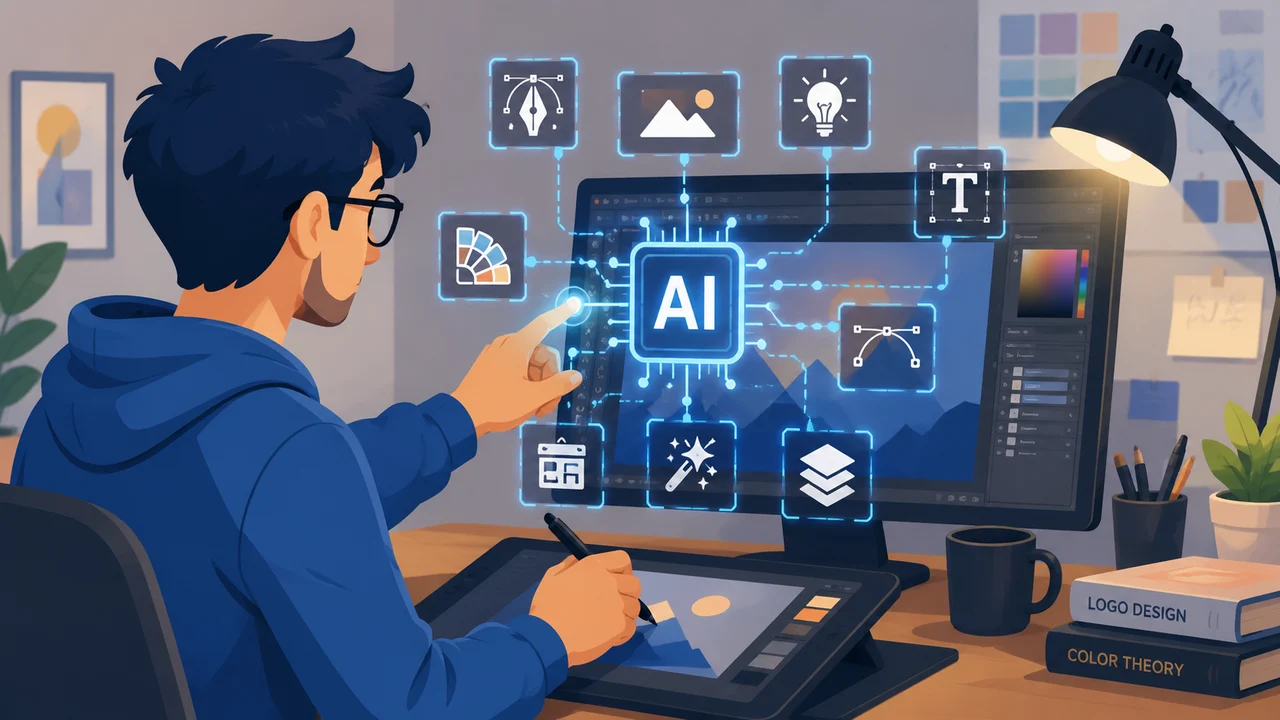
3. Designers (UI/UX and Creative)
Overview Design AI in 2026 breaks into three lanes depending on what you're actually building: interface design, raw creative and image generation, and fast, non designer content.
Top Tools to Know
- Figma AI: intelligent suggestions plus Figma Make for text to design generation, inside the collaborative file developers and PMs already use
- Midjourney: leads on raw image quality for concept art, branding, and illustration work, though it has no free tier at all
- Canva: the safest starting point for non designers who need high volume visuals without a design background, and it keeps a genuinely usable free plan
Signs You're Ready to Upgrade Your Stack
- You're rebuilding the same layout structure by hand for every new project instead of working from a system
- Non designers on your team are waiting on you for simple visual requests that don't actually need real design skill
- Your brand assets live in several different formats because no single tool covers the whole workflow
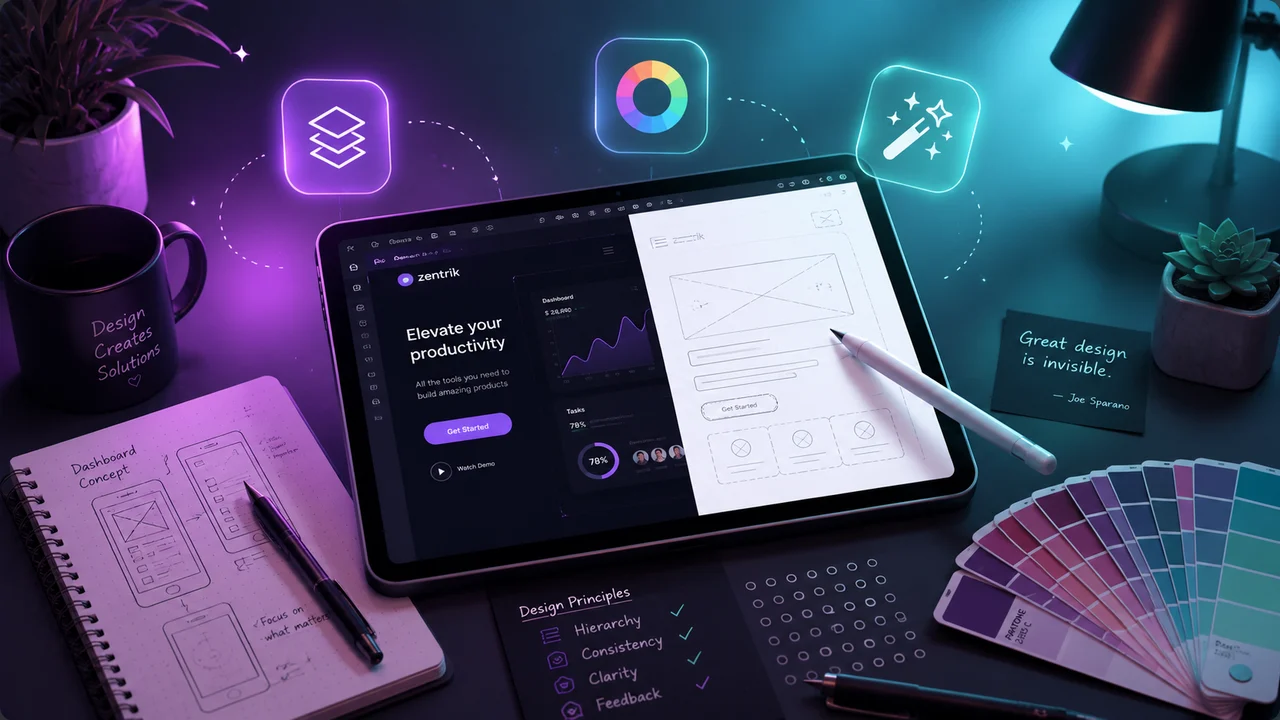
What's Changing The workflow gap that used to exist between "design mockup" and "shippable code" is closing. Some newer tools now generate production ready components that connect directly into a real codebase via Git, instead of static images a developer has to rebuild from scratch.
Real World Example A solo founder without a design background described building an entire pitch deck and social launch kit in Canva in a single afternoon using AI layout suggestions, then handing the polished brand assets to a contract designer in Figma for final refinement. A workflow that would have taken a full week of back and forth just a couple of years ago.
Common Mistake to Avoid Reaching for a raw image generator like Midjourney for interface work. Midjourney is excellent at concept art and illustration, but it was never built to produce usable, editable UI components. That job still belongs to Figma native tools designed around real design systems.
Starter Stack
- Canva (free) for quick visuals
- Figma AI if you're doing real product or UI work
- Midjourney only once your budget supports a paid only tool
4. Sales and Business Development
Overview Sales AI in 2026 lives mostly inside the CRM rather than as a separate chatbot.
Top Tools to Know
- HubSpot AI and Salesforce Einstein: the two most common embedded layers, handling pipeline forecasting, lead scoring, and automatically drafted outreach based on a prospect's activity
- ChatGPT or Claude: still earns its place for drafting personalized outreach sequences, preparing for calls, and turning call notes into a clean follow up email in seconds rather than minutes
Signs You're Ready to Upgrade Your Stack
- You're spending more time on post call admin than you are on the calls themselves
- Outreach messages feel identical across your whole team because nobody has time to personalize them
- Deals are slipping through because follow ups depend on someone remembering to send them
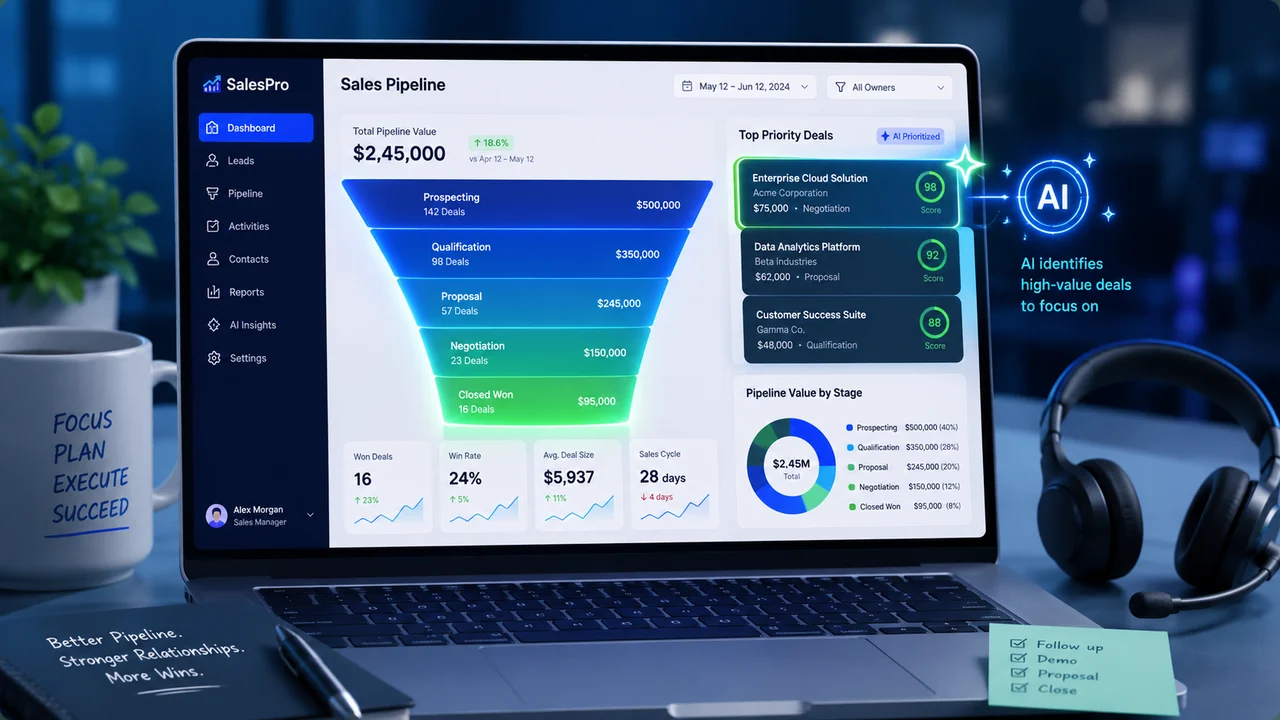
Real World Example An account executive described using AI generated call summaries to cut post call admin from around twenty minutes down to about three. A small change that freed up enough time in a single day to fit in two extra prospecting calls, which compounds fast across a full quarter.
Common Mistake to Avoid Letting AI drafted outreach go out completely unedited. Prospects can usually tell when a message feels fully generic, so these tools work best as a fast first draft that a rep still personalizes with real context before hitting send.
Starter Stack
- Whatever CRM you already use (check if AI features are already included)
- A general chatbot for drafting outreach and call prep
5. HR and Recruiting
Overview Recruiting has moved further into dedicated AI platforms than almost any other function on this list. The tools here are purpose built for sourcing, screening, and scheduling rather than general purpose assistants adapted to the job.
Top Tools to Know
- Dedicated AI sourcing and ATS platforms: handle the entire top of funnel process, sourcing, outreach, and interview scheduling, in a single interface rather than three separate tools
- ChatGPT or Claude: commonly used by smaller teams for drafting job descriptions, structuring interview questions, and summarizing candidate notes
Signs You're Ready to Upgrade Your Stack
- You're manually screening the same resume format for the fifth open role this quarter
- Good candidates are dropping out because your scheduling process takes too many email round trips
- You can't tell which sourcing channel is actually working because nothing is being tracked automatically
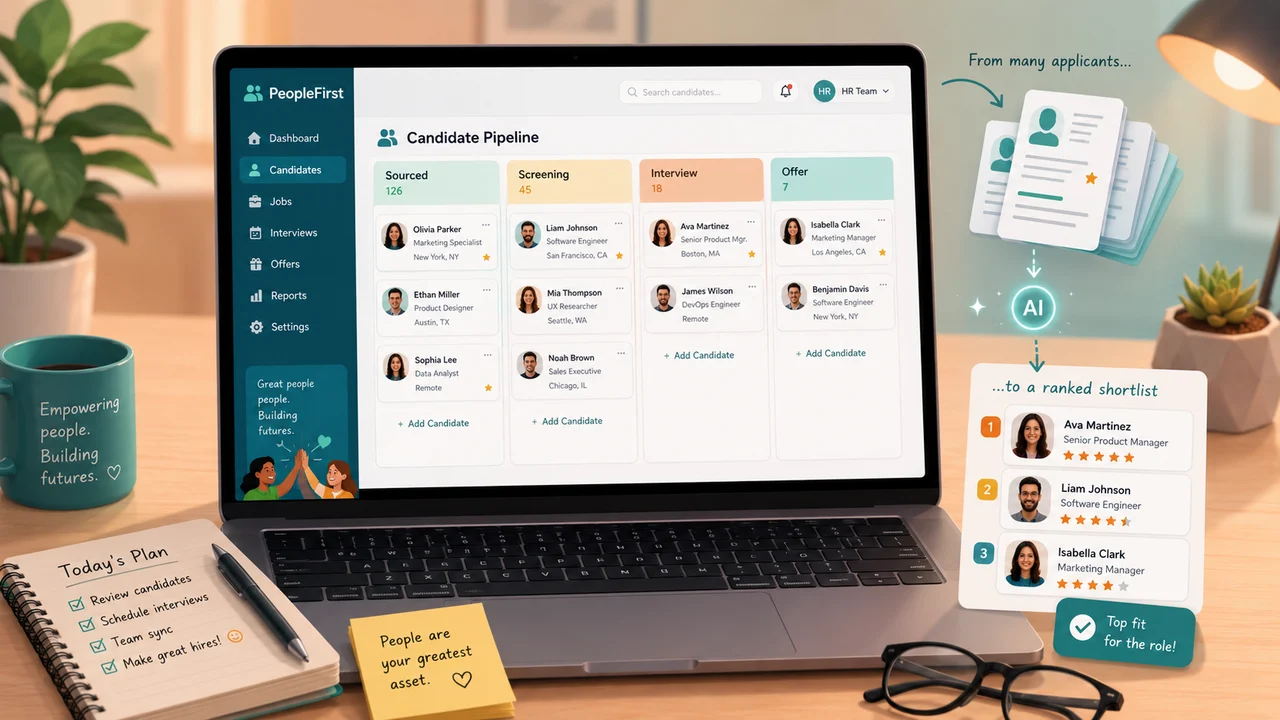
Why It Matters Recruiters report saving meaningful chunks of their week once repetitive sourcing and screening work is automated, freeing up time for the parts of hiring that still require real judgment: reading a candidate, evaluating fit, and making the actual decision.
Real World Example A recruiter managing several open roles at once described cutting initial resume screening time by more than half after moving sourcing into a dedicated AI platform, which freed up her time for structured interviews instead of manual keyword scanning across dozens of resumes.
Common Mistake to Avoid Leaning on AI screening as the final decision maker rather than a first pass filter. Most platforms are designed to narrow a large pool down to a manageable shortlist, not replace the human judgment that should still make the final hiring call.
Starter Stack
- A general chatbot for job descriptions and interview prep at small scale
- A dedicated AI recruiting or ATS platform once hiring volume grows past a few open roles at once
6. Project Managers and Operations
Overview Project management AI in 2026 splits cleanly into two categories, and understanding the difference matters more than picking a specific brand.
Top Tools to Know
- Fit for purpose tools (ClickUp, Asana, Trello, Motion): built specifically to manage structured project workflows, task tracking, scheduling, dependency management, and reporting
- Enterprise AI assistants (ChatGPT, Microsoft Copilot): operate more like a general purpose layer that can summarize meetings, draft status updates, or answer questions across whatever documents and tools you connect to them
Signs You're Ready to Upgrade Your Stack
- Status meetings take longer to summarize afterward than they did to actually run
- You're the only person who knows why a deadline moved, because that context lives in your head instead of the tool
- Stakeholder updates get written from memory instead of pulled from what actually happened in the project
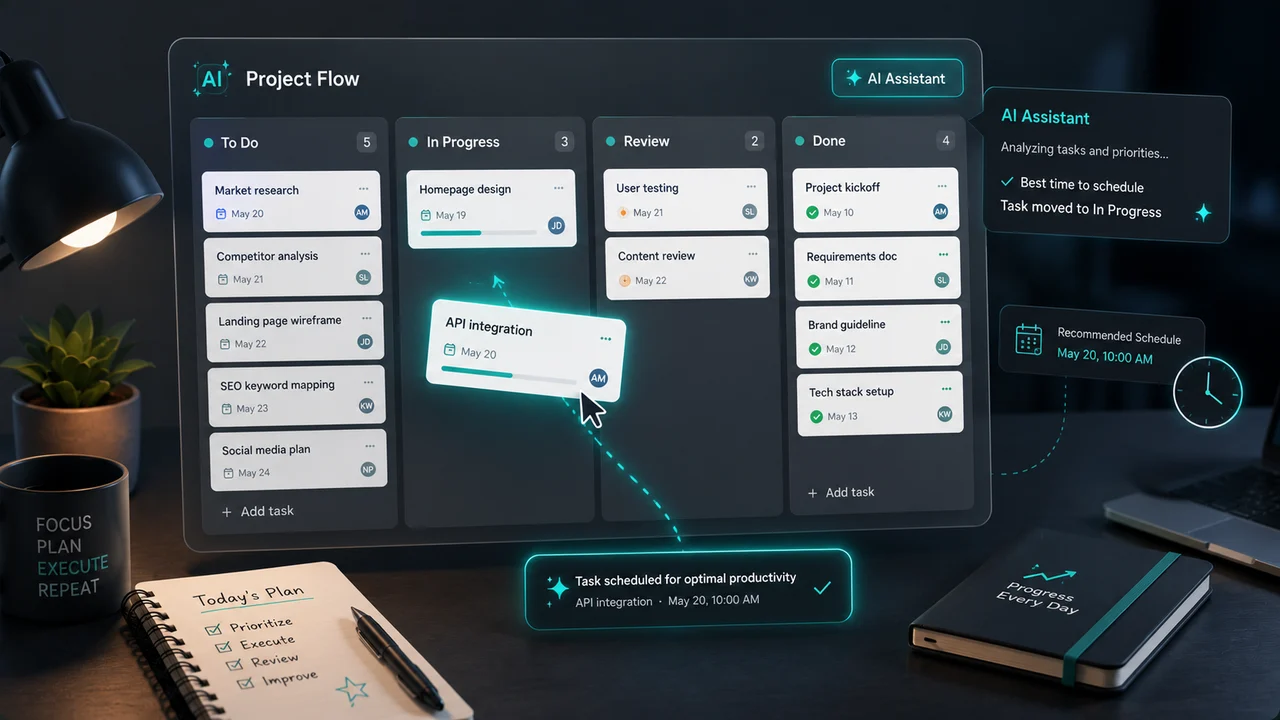
How PMs Actually Use Both Most experienced PMs use both rather than choosing one. The fit for purpose tool runs the actual project, while the general assistant handles the surrounding communication: status reports, meeting summaries, and stakeholder updates that would otherwise eat hours every week.
Real World Example A project manager described using an AI assistant to turn a messy, 45 minute status meeting recording into a clean, distributed summary with action items assigned to the right people. A task that used to eat the first hour of her following morning, now handled before she's finished her coffee.
Common Mistake to Avoid Trusting AI generated schedules and estimates without a sanity check. These tools are good at surfacing patterns from past project data, but they don't know about the one client who always runs two weeks late. That context still needs a human in the loop.
Starter Stack
- Your existing PM tool's built in AI features (most now include some)
- A general assistant for meeting summaries and status updates
7. Content Creators and Writers
Overview Content creation AI in 2026 covers a wider range of work than any other role on this list: writing, video editing, voiceovers, subtitles, and design all in one workflow.
Top Tools to Know
- Claude: a favorite for natural, long form writing that doesn't read as obviously AI generated
- ChatGPT: covers brainstorming, outlines, and quick drafts across formats
- Descript and Opus Clip: turn long form recordings into short, social ready clips automatically
- Grammarly: the standard final polish layer regardless of which tool generated the first draft, and it keeps a genuinely useful free tier
Signs You're Ready to Upgrade Your Stack
- Editing consistently takes longer than recording did
- You're manually retyping the same captions or subtitles across different platforms
- Your best ideas get stuck in your head because the boring setup work eats the time you'd spend developing them
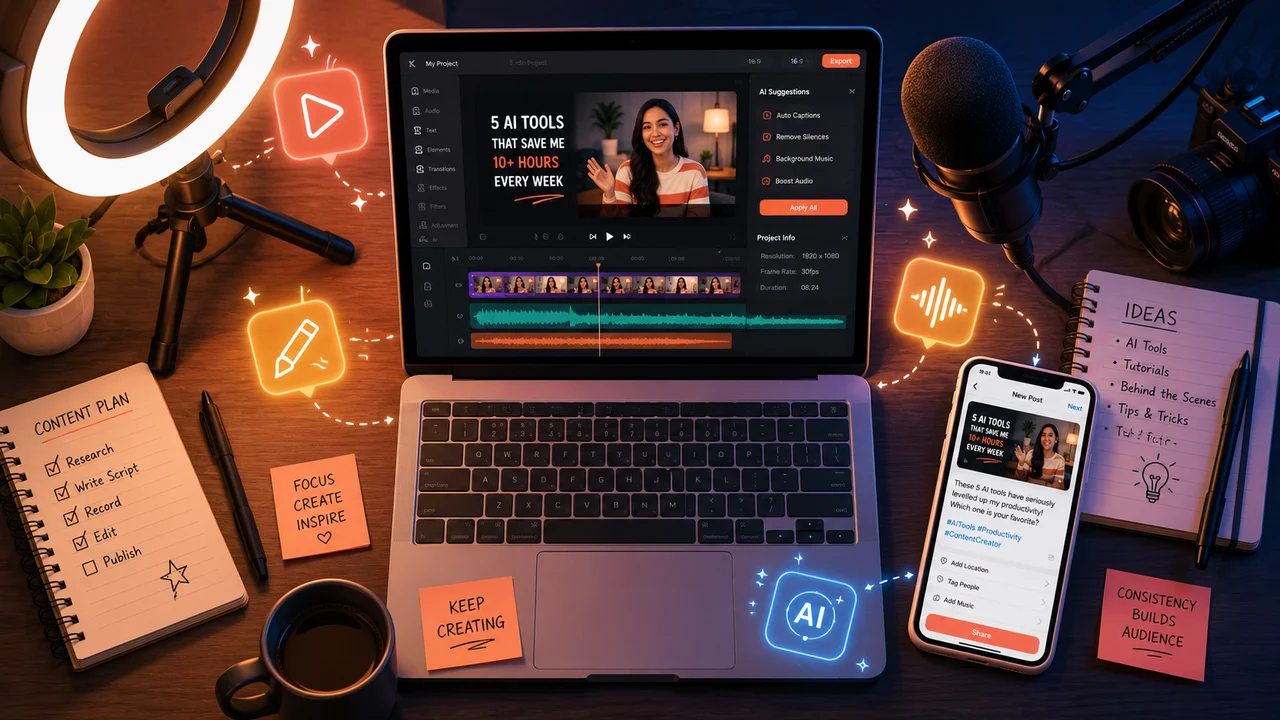
How the Best Creators Use These Tools The people getting the most out of this category tend to treat AI as the first draft and repetitive task layer: outlines, rough cuts, transcription, while keeping the actual creative direction and final judgment calls in their own hands.
Real World Example A YouTuber described using Descript to turn one hour long recording into a dozen social ready clips automatically, cutting what used to be a full day of manual editing down to about ninety minutes of review and light trimming before publishing.
Common Mistake to Avoid Publishing AI generated first drafts without a real edit pass. Audiences tend to notice when writing or pacing starts to feel generic. The creators seeing the best results treat AI as a speed tool for the boring parts, not a replacement for their own voice.
Starter Stack
- Claude or ChatGPT for writing (free tiers cover most casual use)
- Grammarly for polish
- A video or audio tool only once you're producing that format regularly
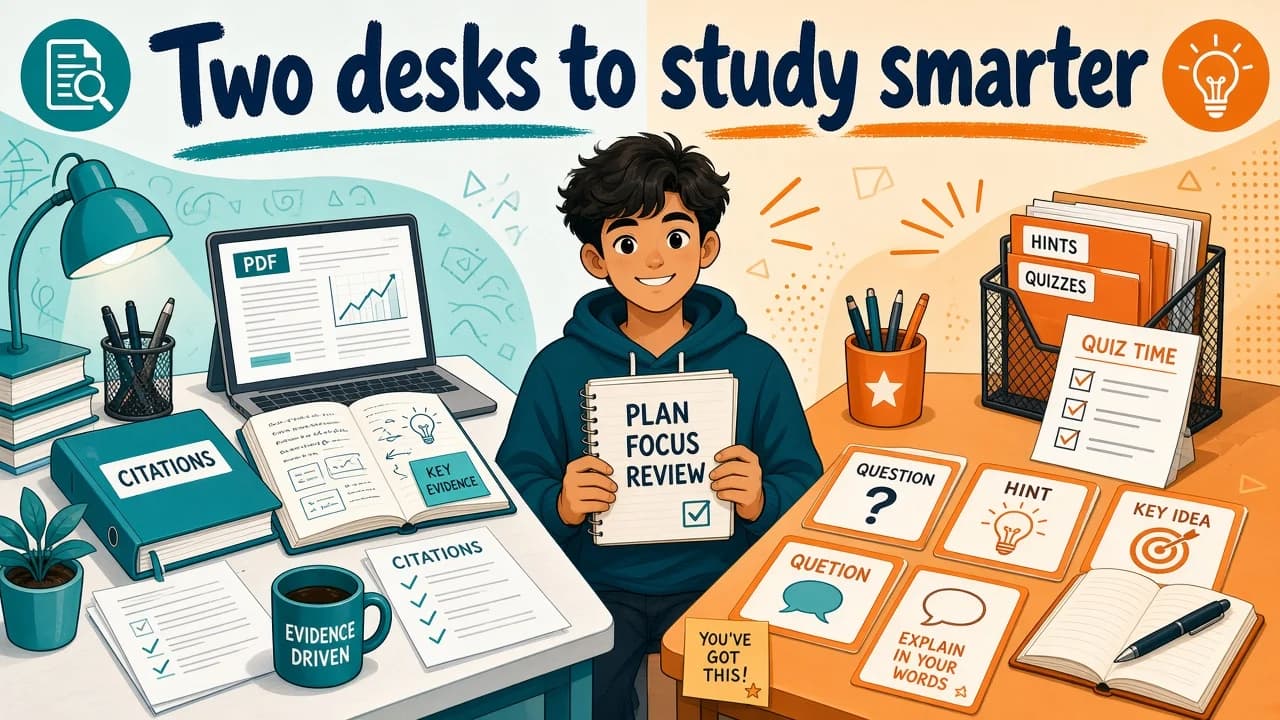
8. Students and Educators
Overview This is the role with the widest free tier access on this entire list, which makes sense given how many of these tools are built or discounted specifically for education.
Top Tools to Know
- ChatGPT Study Mode: a common starting point, producing structured, classroom ready outputs like lesson outlines and simplified explanations rather than an open ended chat
- NotebookLM: widely used for research summaries, letting students and teachers upload source material and get grounded, citation backed answers rather than generic AI output
- Grammarly: a staple for writing support with a genuinely free plan
- Canva and GitHub Copilot: both offer verified free education access well beyond what a typical consumer gets
Signs You're Ready to Level Up Your Study Stack
- You're rereading the same source material multiple times because nothing is organized into a usable study format
- You're spending more time formatting citations than actually researching
- You use AI to get an answer, then realize you can't explain that answer yourself
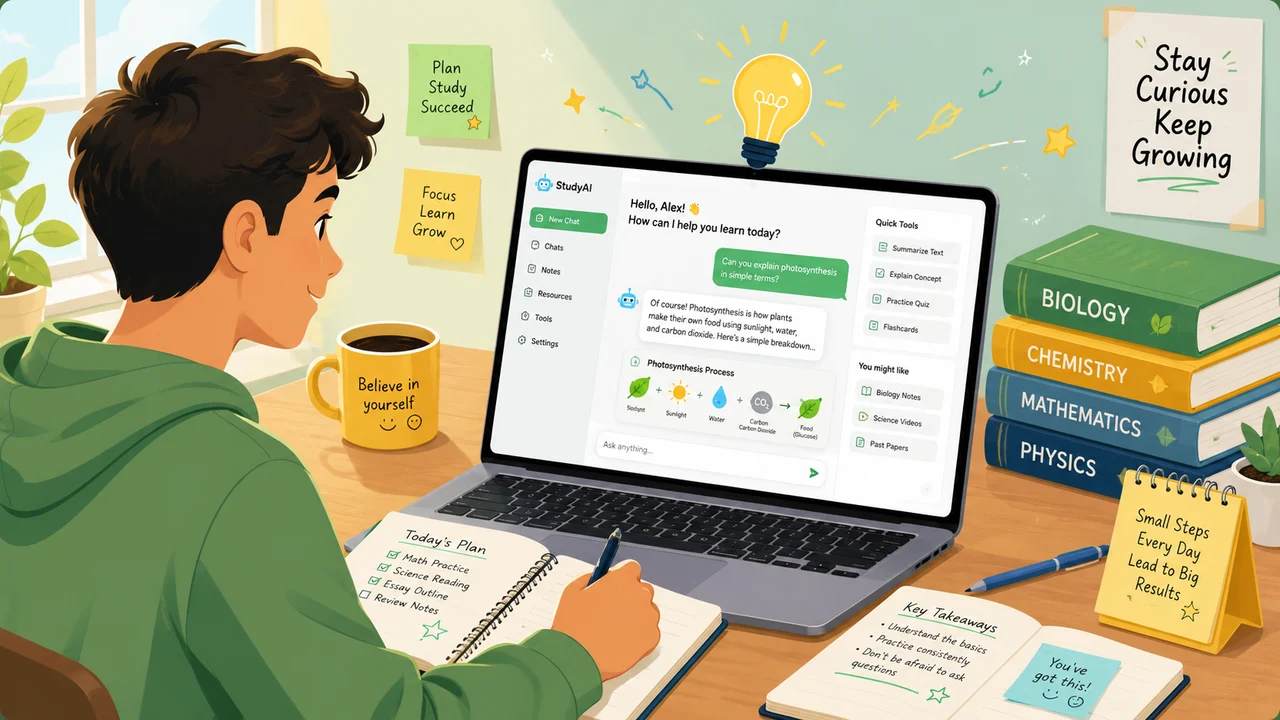
What Educators Recommend The strongest guidance from educators using these tools in 2026 isn't about which tool to pick. It's treating AI as a co-creator that handles repetitive prep work, freeing up more time for the mentorship and critical thinking conversations no model can replace.
Real World Example A university student described using NotebookLM to turn a semester's worth of lecture PDFs into a single audio overview she could review during her commute, effectively turning dead travel time into revision time without opening a textbook.
Common Mistake to Avoid Using AI to skip the thinking rather than support it. The students seeing the strongest results treat these tools as a study partner that explains and organizes material, not a shortcut that writes the assignment for them. The second habit tends to catch up with you at exam time.
Starter Stack
- ChatGPT or Claude free tier for study help
- NotebookLM for research
- Grammarly free for writing
Genuinely $0 per month for most student needs.
Building Your Own Stack: A Simple Framework
Before subscribing to anything, ask:
-
What's the single biggest time sink in my week right now? Start there, not with whatever tool is trending.
-
Does a general chatbot already solve 80% of this? If yes, you may not need a specialized tool yet.
-
Is there a genuinely usable free tier? Several tools on this list (ChatGPT, Claude, Canva, Grammarly, GitHub Copilot) offer real free access. Test before you pay.
-
Does this tool integrate with what my team already uses? A disconnected AI tool that doesn't talk to your CRM, ATS, or project tracker often creates more manual work than it saves.
What's Changing
Going Into Late 2026 A few shifts worth watching across roles:
- Role specific AI is winning over generic AI. The tools gaining the most adoption in 2026 aren't broad chatbots. They're narrow tools built for one job (recruiting, PM, design handoff) that happen to use AI underneath.
- Embedded AI is replacing standalone AI. More AI features are showing up inside the tools professionals already use (CRMs, design platforms, PM tools) rather than as separate subscriptions.
- Autonomous agents are moving from novelty to normal, especially in development and recruiting, where multi step tasks (not just single suggestions) are increasingly handed off to AI with human review at the end rather than the start.
Final Verdict
The professionals getting the most value in 2026 aren't the ones who adopted the most tools. They're the ones who picked one general purpose assistant, added exactly one or two role specific tools where the repetitive work justified it, and left the rest of their workflow alone.
Start with your biggest bottleneck, test the free tier first, and only add a paid tool once you can point to the specific hours it's saving you.
Tool names and features reflect publicly available information as of July 2026. AI tooling and pricing change quickly across every category. Confirm current features and pricing on each provider's official site before subscribing.