

4 min read
16 views
How to Evaluate Patient-Facing Medical Imaging AI Tools
A practical framework for evaluating patient-facing AI that explains medical imaging reports while preserving uncertainty, privacy, and clinical accountability.
- AI Tools
Deep dives into artificial intelligence tools, practical guides, and expert perspectives on the technologies shaping tomorrow.
A practical framework for evaluating patient-facing AI that explains medical imaging reports while preserving uncertainty, privacy, and clinical accountability.

A cruel spelling test: a six-word headline, a price, and a URL through Ideogram 4.0, Recraft V4.1, and Canva. The real failure modes (flipped digits, dropped dots, invented logos), when Canva's text-box approach wins, and when you should still set type in Figma yourself.
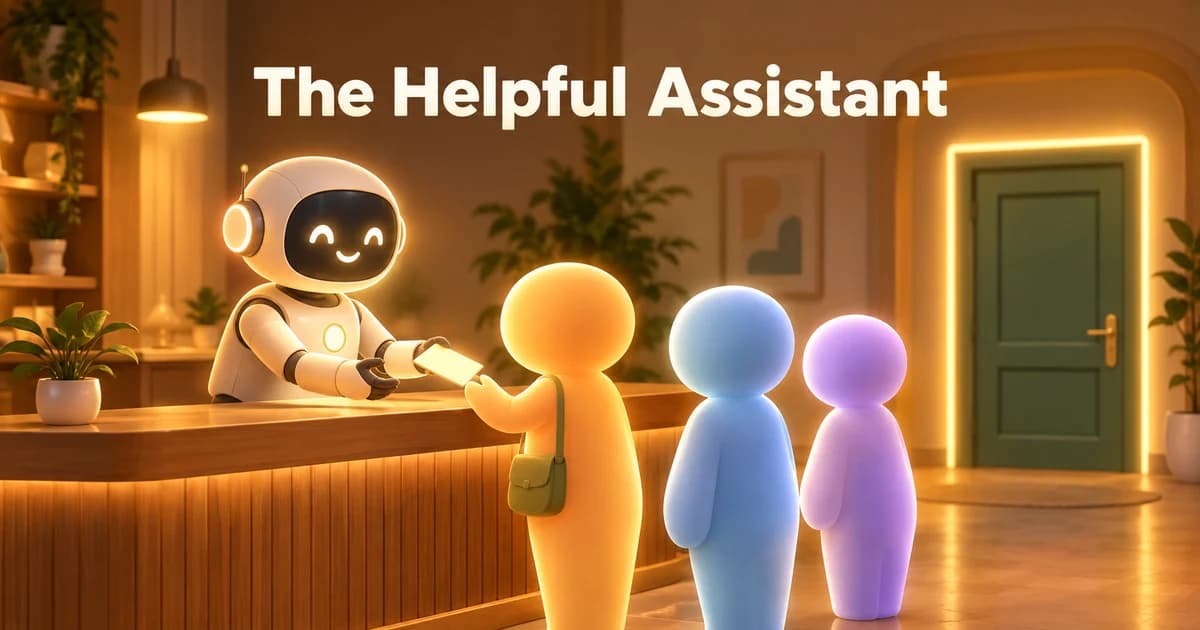
How to build an AI customer support agent on one queue: the five-part setup, grounding in your own docs, four handoff triggers, four metrics and a three-step pilot with go/no-go gates.
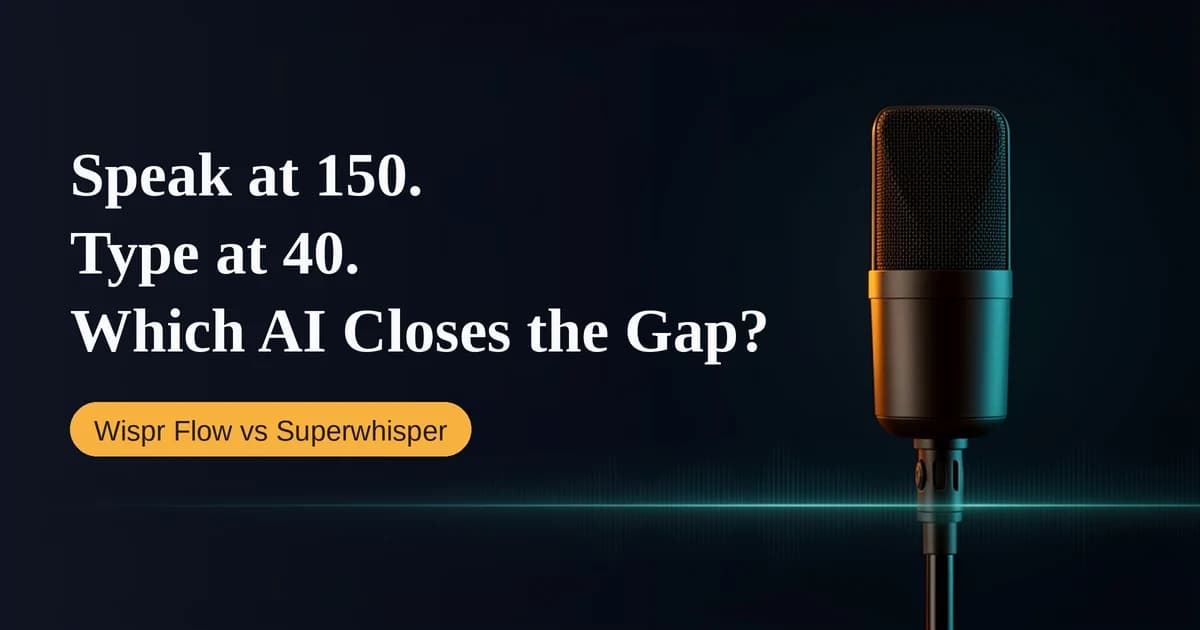
Wispr Flow and Superwhisper take opposite approaches to AI dictation: one is a polished cloud service that strips your ums and formats emails, the other runs models on your Mac and works offline. Here is how each handles the same messy brain-dump, what the built-in macOS and Windows tools already do for free, and where your audio actually goes.
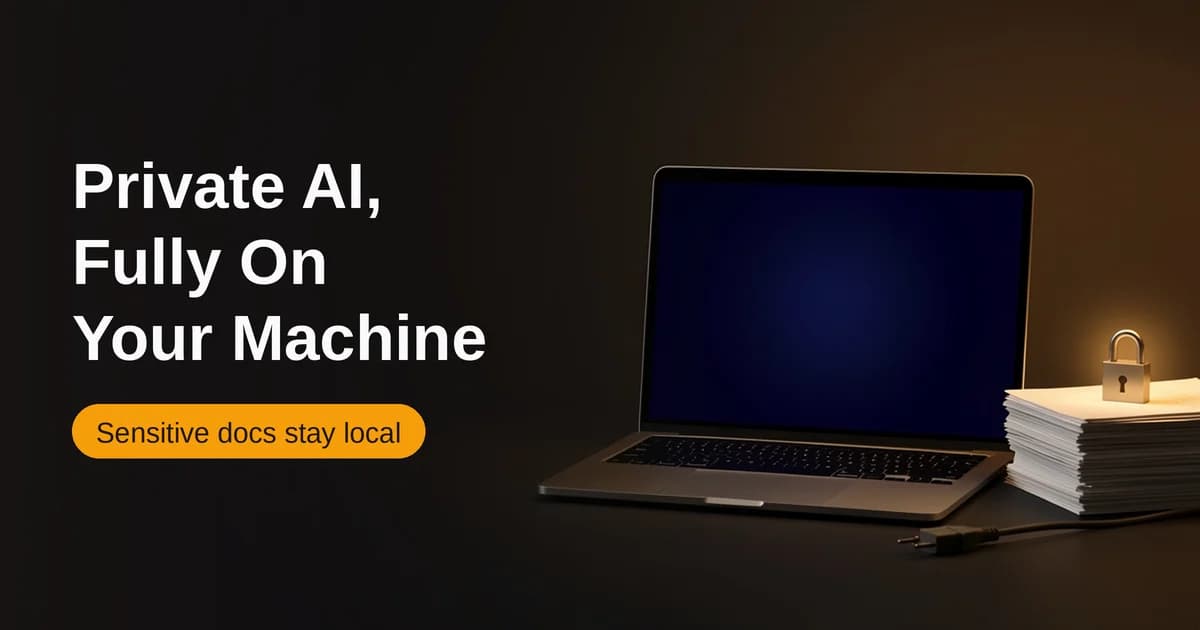
What private AI really requires: local inference, local storage, no content telemetry. How Ollama, LM Studio Bionic, Jan, GPT4All, and AnythingLLM stack up in October 2026, a realistic sensitive-document RAG setup on modest hardware, and the honest verdict on when going local is worth it.

Start an AI second brain with one folder or one tool, then run a one-week, five-question recall test before you commit. Includes a current comparison of Notion, Mem, Fabric, Capacities, Obsidian with Copilot and Gemini Notebook from vendor pages.

AI agent observability is a saved record of every step, tool call, token and error in a run. Here is what to record, a copy-paste JSONL trace log, and when a platform is worth it.
Most website change alerts are noise: carousels, timestamps, A/B tests. Here is how AI monitoring tools like Visualping, Hexowatch, and Distill handle alert fatigue in 2026, plus a one-week test protocol to score signal vs noise on your own pages.
ElevenLabs Dubbing, HeyGen, Rask, and YouTube auto-dubbing, verified for October 2026. What dubbing does to your voice, the lip-sync tradeoff, EU disclosure rules, and the 10-minute spot-check that catches the errors nobody can hear.
How AI RFP and security questionnaire tools work: retrieval from an approved answer library, why unsupported claims slip through, the questionnaire test that exposes them, and how Loopio, Responsive, Arphie, Conveyor and Secureframe compare in October 2026.
A six-month KPI dataset walked end to end, from CSV to dashboard to executive summary, through Julius, Hex, Power BI Copilot, and Tableau Pulse. Includes the ten-minute recompute check that catches AI-generated numbers that look right and are not.
A beginner-friendly guide to agent skills: what they are, how SKILL.md works, how skills differ from prompts, custom instructions, and MCP, plus a five-minute walkthrough to write your first skill that works in Claude, ChatGPT, Cursor, and more.